
Bridging the Skills Gap: Have we got the skills to future-proof and retrofit future homes?
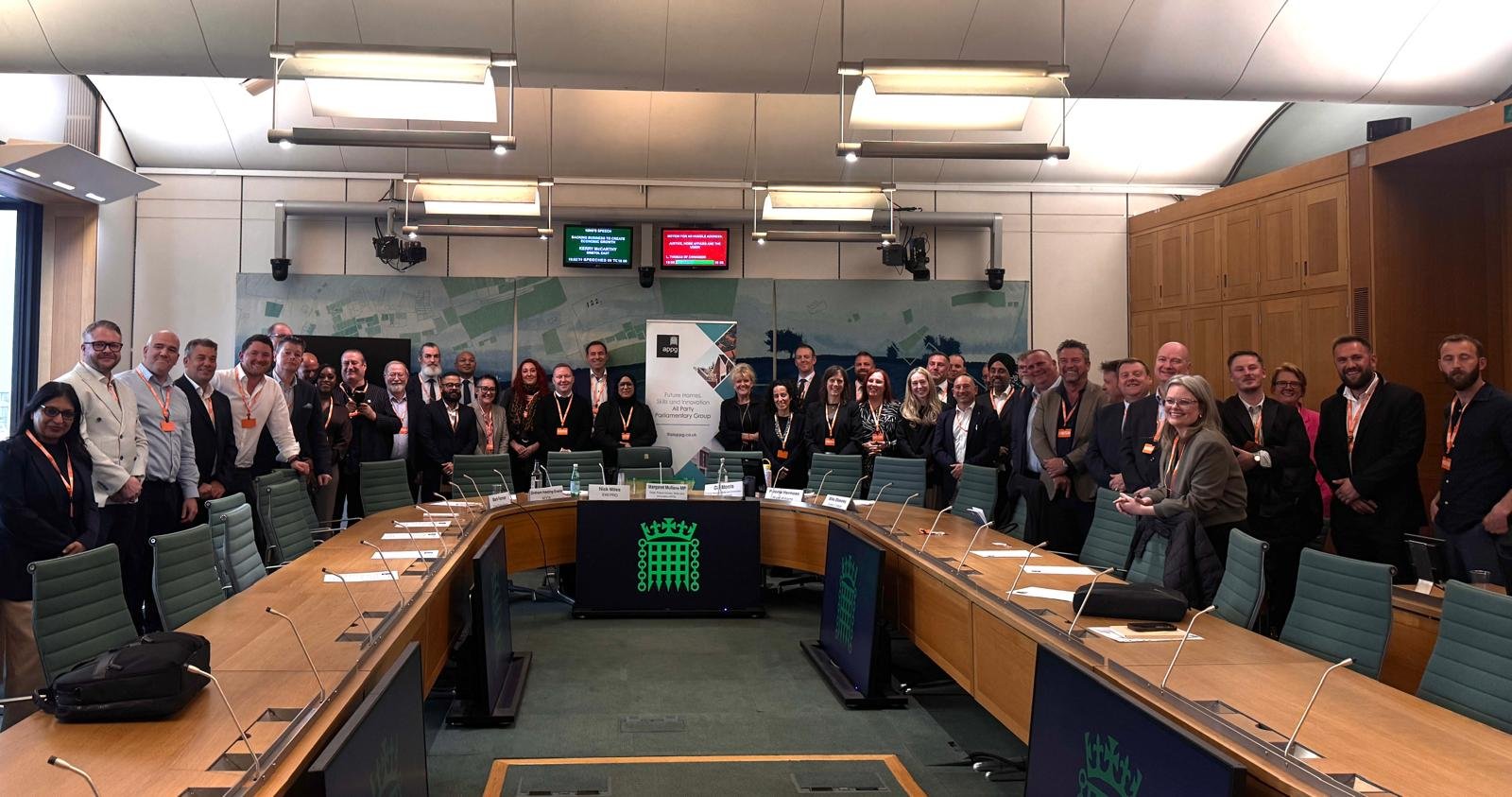
On Monday 18th May, the Future Homes, Skills and Innovation APPG held it’s third session in parliament, focusing on how we can bridge the skills gap in the construction and retrofit sectors.
With a full-house of over 120 attendees, this Future Homes, Skills and Innovation APPG session concentrated on solutions to bridge the skills gap in the housing sector and retrofit homes fit for the future. With over 110,000 additional workers needed in the construction and retrofit sectors per year to meet government delivery targets - and an estimated 80,000 job losses linked to the ECO4 supply chain disruption - this Parliamentary session provided an important collective voice to government to highlight the challenges of the current skills landscape and solutions to build a workforce fit for the future.
The APPG session was joined by an expert industry panel, with experience across skills provision, sustainability and government advisory, formed of:
Mark Farmer, Cast Consultancy
Paloma Hermoso, Ward Williams
Graham Hasting-Evans, NOCN
Mike Blakeley, Exeter College
Throughout the session, a number of key consensus points were clear:
Long-term policy and market sustainability will give industry the confidence for greater investment in the skills and talent pipeline.
Stop-start funding and ‘boom and bust’ policy cycles cannot continue. Without lasting support to SME businesses, combined with transitional funding to bridge the ECO4 scheme and the Warm Homes Plan, skilled professionals will continue to leave the sector.
A localised approach to skills is key to bridging the gap for SME’s. By bringing together educational providers, businesses, trainers, assessors and local authorities, funding can be best pointed towards local needs.
Our session also heard from industry voices, led by Nick Miles of EWI Pro, on a number of challenges to the skills gap. Our industry questions called for greater competency management and CPD, whole-home skills accreditation as well as the benefits of increasing collaboration between industry and regulators to future-proof the construction and retrofit workforce.
Our industry speakers also spoke on the potential merits of statutory funding for apprenticeships and skills provision within pubic procurement, particularly for large scale industrial projects, as well as the need for a broader dialogue between SMEs and local educational partners to meet specific regional skills demands which sit outside of the current curriculum.
